During my visit to Athens, in the autumn of last year, I witnessed firsthand the cornerstones of the Occident. As I walked through various places of historical Athens, the ruins of Greek antiquity became more than objects of admiration. The temples of the gods—the sacred monuments—and the regions once inhabited by the people of the age of Pericles, seemed to regain their mythic significance, when looking upon them.
Whilst, standing before the temple of Hephaestus, what was intimated in me, was a longing for the gods. Certain questions surfaced, in the presence of the temple. I wondered as to whether or not we might in fact be dead, in the eyes of the Gods. Men of recent centuries have grown accustomed to disparaging myth, and are even disenchanted by these memories of old. The allure of the gods holds no weight in the disenchanted age. If we find ourselves in the Götterdämmerung, what is the way of accessing the world of the Greeks? If we stand (at the interregnum), how can we reach back, if only through language, to the world of the Gods?
———————————
An Athenian sun, bore light through
The ruins, exposing the columns,
Drawing attention to the temple,
That now stands, in a myth-less world,
Where the god of fire seems absent.
Hephaestus, is more than an ancient
God, surely, far greater than a myth,
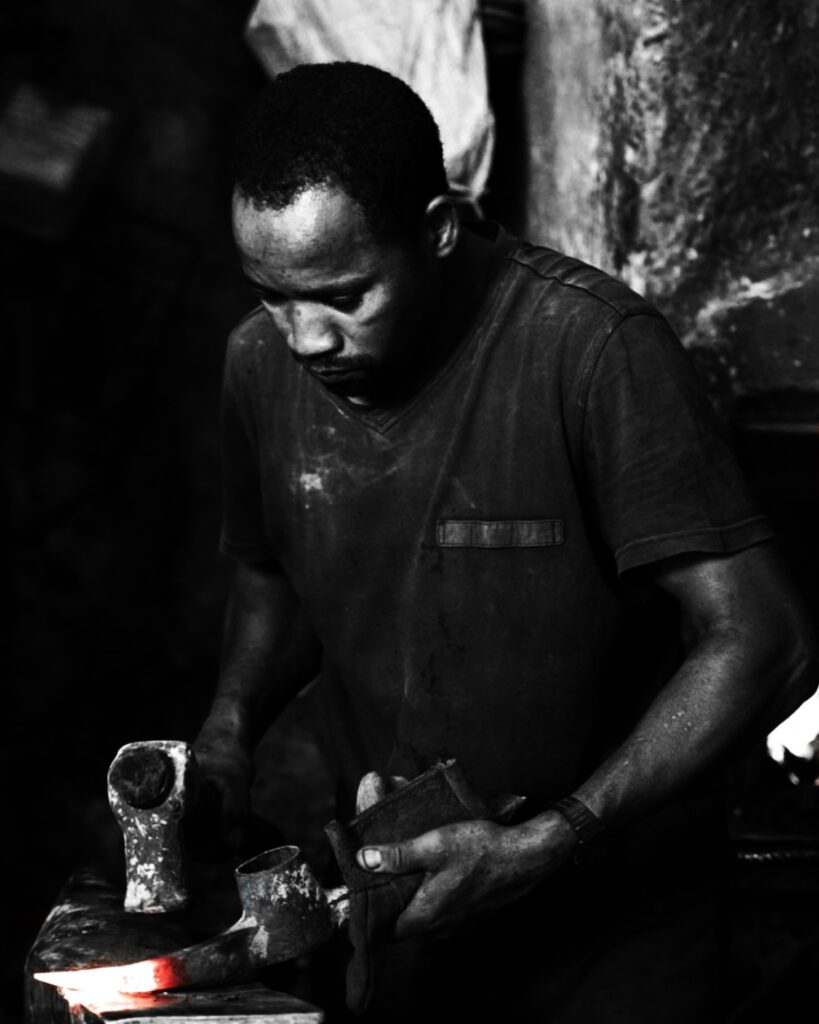
He is fire, he is the armorer,
Crafter of shields, one who endowed
First Achilles, then, Aeneas, on the fields.
To you, god—in a godless age—we who are
Too distant from Homer, too impoverished
For pagan worship, we struggle to see
Your fire, in the ensuing twilight.
Cast a glance, back at us.
Even in the dim twilight, the vestiges of
The gods, present themselves.
Not without disenchantment, the secular age.
Not without a prejudiced eye, the subject of decay.